Third Grade
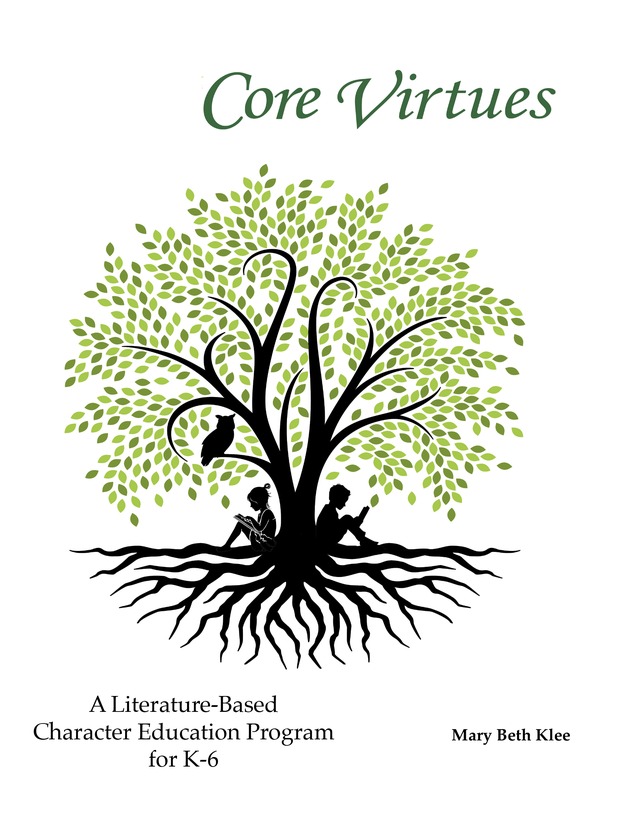
Core Virtues
For the 2026–2027 school year, third graders will focus on a new virtue each month to help them grow as thoughtful, empathetic, and courageous learners. These virtues support their social and emotional growth alongside academic development.
August & September: Respect and Responsibility – Responsibility is doing your part for the groups that make us whole.
October: Self-Control and Self-Discipline – Self-control is stopping to think about my actions before I enact them. Self-discipline is giving the best of ourselves and saying “no” to our weaknesses.
November: Wonder – Wonder is to marvel at mystery, to stand in awe before the unexplained.
December: Charity – Charity is Love. Charity is selfless giving to those in need.
January: Courage – Courage is finding the strength to venture and persevere.
February: Love of Country – Love of Country means being devoted to our nation—loving its ideals, honoring its heroes, respecting its past, and working hard for a just and noble future.
March: Faithfulness – Faithfulness is standing by those we love, those we serve, and what we believe.
April: Graciousness and Courtesy – Graciousness is acting kindly and making others feel special. Courtesy is showing respect through kindness and politeness.
May: Joy – Joy is the fullness of spirit that blooms from the loving heart.
June: Lives to Learn From – Learn from those who act well, think well, forge new paths, and seek a better world.
Core Knowledge Language Arts (CKLA)
In third grade, students begin the important transition from learning to read toward reading to learn through Core Knowledge Language Arts (CKLA).
In the Skills strand, instruction focuses on vocabulary development, word structure, and advanced decoding strategies. Students learn to analyze multisyllabic words using prefixes, suffixes, and root words, while continuing to develop spelling, grammar, and writing skills. They practice organizing ideas into clear paragraphs and responding to texts with thoughtful written and spoken explanations.
In the Knowledge strand, students study a variety of engaging topics that build their understanding of science, history, and culture. These include units on the human body, animal classification, ancient Rome, astronomy, early exploration of North America, and Native American cultures. Through reading, discussion, and writing activities, students strengthen comprehension skills while building connections between ideas and disciplines.
Together, CKLA Skills and Knowledge support students as they become more independent readers, writers, and thinkers.


Eureka Math²
In third grade, students deepen their understanding of numbers and operations while building strong multiplication and division skills. They explore how numbers relate to one another through patterns, equal groups, and arrays, developing strategies to solve problems efficiently and explain their reasoning.
Students strengthen their understanding of place value and use it to add and subtract larger numbers. They also explore fractions as parts of a whole, measure and compare lengths, and investigate area and perimeter. Throughout the year, students solve real-world problems and explain their thinking using drawings, equations, and written explanations, helping them develop confidence as mathematical thinkers.